Smarter HVAC Choices: A Facilities Planner’s Guide to Year-Round Comfort and Efficiency
Start by defining the scope of your needs before exploring equipment. Map spaces by use, occupancy, and hours, then align those profiles with heating and cooling loads. Schools, offices, and light industrial sites demand different air changes and temperature bands. This front-end clarity informs whether HVAC, Air Conditioning, or supplemental systems are required, and it reduces costly redesigns. Document constraints like roof load, electrical capacity, and service access to streamline later decisions.
Next, assess envelope performance because it shapes lifecycle costs more than many realize. Insulation levels, window glazing, air sealing, and shading strategies shift the required system tonnage and boiler or heat pump capacity. A tighter envelope may allow downsizing, cutting acquisition costs and noise. Validate infiltration rates with testing where possible, and capture findings in a baseline report. That single dossier helps keep bids comparable and prevents scope creep during procurement.
Meanwhile, evaluate distribution pathways early. Existing ductwork may be undersized, leaky, or poorly balanced. Hydronic loops might need flushing, chemical treatment, or re-piping to meet new flow requirements. In practice, reusing compromised infrastructure locks in inefficiencies. Inspect, pressure test, and photograph conditions, then sequence remediation steps alongside equipment replacement to avoid rework. Clear as-builts will support future service calls and warranty discussions.
Beyond that, compare system types through total cost of ownership, not just sticker price. Heat Pumps provide efficient heating and cooling with fewer mechanical components, while a Ductless Mini Split can solve zoning gaps without major demolition. Radiant Floor Heating improves occupant comfort at lower setpoints, reducing stratification. However, verify controls integration so disparate systems operate as one. A central interface prevents simultaneous heating and cooling that wastes energy.
Often, Indoor Air Quality goals get sidelined by first-cost pressures. Resist that impulse by quantifying ventilation and filtration targets tied to your occupancy patterns. Select energy recovery where feasible to temper outdoor air without oversizing coils. Specify filter media and replacement intervals up front, and stage access panels for safe changeouts. These small design choices minimize downtime and help maintain consistent performance through seasonal swings.
Then, plan electrical and condensate logistics with the same rigor as mechanical routing. Heat pump banks, water-source units, and dedicated outdoor air systems require dedicated circuits, surge protection, and proper grounding. Validate panel capacity and breaker availability early. For drainage, slope lines correctly, heat-trace where freezing is possible, and include cleanouts. Poorly planned utilities are frequent punch-list items that delay commissioning and impact warranties.
However, controls strategy is where projects either sing or stumble. Define sensor locations, deadbands, and schedules room by room. Calibrate thermostats and pressure sensors during commissioning and validate readings against handheld instruments. Trending data for the first heating and cooling seasons can reveal short cycling, coil fouling, or economizer misbehavior. Create role-based access so occupants can adjust setpoints within limits without overriding critical safeguards.
Additionally, maintenance planning must be baked in, not bolted on. Verify that filters, valves, and drain pans are reachable without special lifts. Maintain a digital log of model numbers, belts, and consumables with service intervals. Sequence startup checklists, seasonal changeovers, and annual inspections to buffer against peak-season failures. When replacements come due, that documentation trims labor hours and reduces diagnostic guesswork.
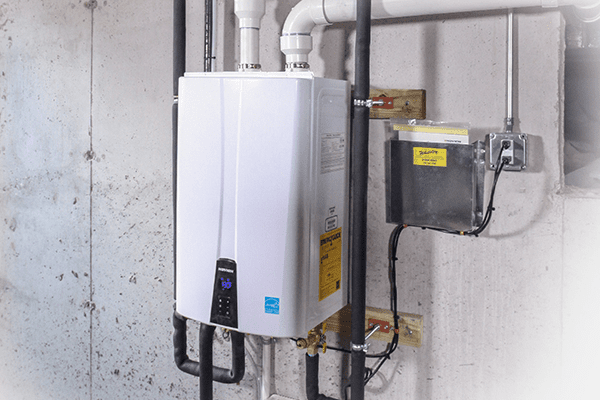
Finally, budgeting should reflect the full lifecycle arc. Include commissioning, retro-commissioning after the first year, and staff training. Factor utility incentives and depreciation schedules alongside anticipated repairs for Water Heaters and boilers. Commercial HVAC decisions that appear cheapest upfront can underperform for decades if sizing, controls, or access are misjudged. A disciplined plan narrows uncertainty and stabilizes comfort, productivity, and long-term operating costs.
Ultimately, success hinges on phased execution and clear handoffs. Stage materials to match demolition and install windows, buffer lead times with alternates, and verify deliveries before teardown. Inspect each phase against drawings, then refine settings after occupancy as real-world patterns emerge. With thoughtful scoping, right-sized equipment, and accountable documentation, your facilities stay resilient, efficient, and responsive across seasons.